

With the rapid advancement of television technology, 8K resolution is becoming the next big thing in home entertainment. As you consider upgrading to 8K, one question that frequently arises is whether a reliable internet connection is necessary to fully enjoy this ultra-high-definition experience. In this FAQ, we will explore the role of a reliable internet connection in 8K home entertainment.

Understanding 8K Resolution
8K resolution refers to a display resolution with a width of approximately 8,000 pixels, providing an unparalleled level of detail and clarity. As a relatively new technology, it offers four times the resolution of 4K and sixteen times that of 1080p. This superior resolution creates a life-like picture that makes watching films or playing games feel incredibly immersive.
The leap from 4K to 8K significantly enhances visual detail, resulting in sharper images that reveal even the most subtle textures. For enthusiasts of cinematic experiences, this brings a new level of enjoyment to home entertainment setups. The practical requirement is ensuring that your media sources can support 8K output to appreciate its full potential.
However, equal consideration must be given to the accessibility of 8K content because it remains in developmental stages across many platforms. While manufacturers continue to push 8K capabilities in new television models, actual 8K programming is still emerging. Investing in an 8K setup positions homeowners to harness this technology as it becomes mainstream.
How Streaming 8K Content Demands High Bandwidth
8K content requires a significant amount of data due to its high quality. Streaming services often recommend an internet speed of at least 50 Mbps for 8K streaming, making a fast and reliable internet connection essential. This ensures that the large amounts of data needed for such high-resolution images are delivered smoothly, without constant buffering interruptions.
A fiber-optic connection is ideally suited for streaming 8K content due to its ability to handle high-speed transfers with minimal disruption. Unlike traditional connections, fiber-optic services offer consistent performance that’s crucial for supporting ultra-high-definition streams. This makes it an ideal choice for families or individuals aiming for seamless 8K entertainment.
To prevent bandwidth bottlenecks, it’s important to account for other devices that might be connected simultaneously. Often, smart home environments have multiple users or devices drawing from the same network, impacting available bandwidth for your 8K stream. Reviewing your internet plan and considering households’ overall demand will help achieve an optimal streaming experience.
Do I Need High-Speed Internet for 8K Gaming?
For gamers, 8K gaming provides an immersive experience but demands substantial internet bandwidth for downloading updates and playing online. A reliable connection ensures smooth gameplay and minimal lag. As gamers download substantial data, such as game patches or stream gameplay online, having a high-speed connection is indispensable.
Selecting internet speeds suited to gaming needs starts with understanding the difference in data consumption between streaming and arduous gameplay. Many modern games require constant online interaction, so having an equally robust internet plan to support such sessions without hiccups greatly enhances the gaming experience and ensures minimal disruptions.
For those who enjoy multiplayer games or streaming their play sessions, an internet speed of 300 Mbps or higher is recommended to support 8K resolution. This guarantees responsive interaction with servers and maintains competitive edge without the frustration of lag or dropped connections.
How Reliable Internet Affects Downloading 8K Content
When downloading 8K movies or shows, file sizes can be extremely large. A stable and fast internet connection reduces download times and enhances user experience. These files can sometimes stretch into hundreds of gigabytes, making download speeds of paramount significance to reduce downtime and allow for versatile consumption of 8K media.
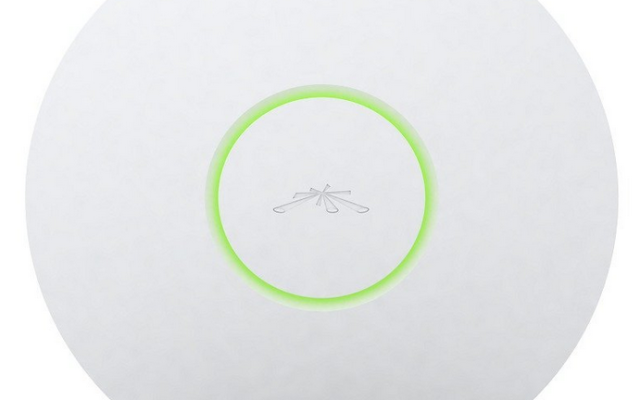
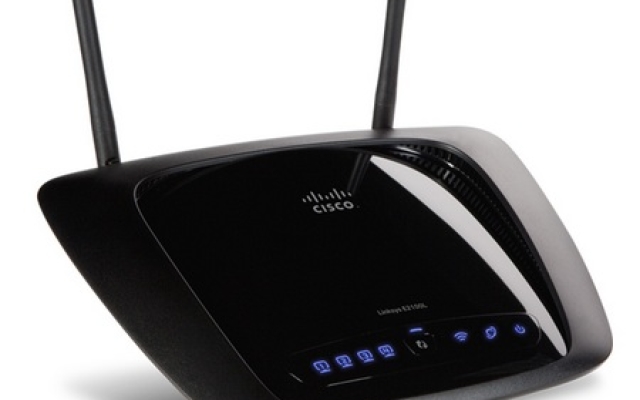
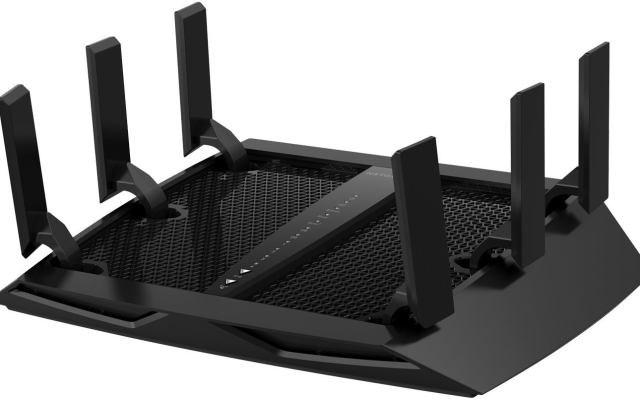
Ensuring your equipment—such as routers and modems—supports the necessary speeds will facilitate quick downloads. This consideration keeps devices from bottlenecking your connection and can provide additional benefits, such as enhanced Wi-Fi coverage and connectivity across large living spaces, all contributing to a more streamlined entertainment experience.
Optimizing your network settings might also assist in the steady transfer of large files. Making use of features such as Quality of Service (QoS) settings, which prioritize certain types of data over others, can help maintain a steady stream for downloading in demanding environments like households with numerous smart devices.
Exploring Offline Alternatives and Local Media Playback
While streaming requires internet, playing pre-downloaded or offline media on 8K devices does not. This can be a reliable alternative if your internet is not sufficient for streaming yet. Physical media like 8K Blu-rays offer unmatched quality without the limitations imposed by variable internet speeds.
Local media servers provide a practical means of accessing your 8K content without taxing your internet. By storing movies or series locally, users can enjoy top-tier visuals without relying on continuous connectivity. This setup also grants the advantage of experiencing consistent picture quality unperturbed by buffering.
For those not ready to switch to full streaming due to limited internet options, maintaining a robust library of downloadable content presents a viable workaround. This ensures content is always available and viewed precisely when the mood strikes, eliminating frustrations associated with unreliable internet service.
Conclusion: The Importance of Reliable Internet for 8K
A reliable internet connection plays a crucial role in the optimal use of 8K home entertainment systems, especially for streaming UHD content, downloading large files, and accessing online features. Ensuring your internet setup meets these needs will help you make the most of your 8K viewing experience.



 With the recent announcement of the new Apple TV 4k displaying the latest resolution known as HDR that enables your flat screen brighter, more colorful content that is 4 times better than what you are watching in high definition right now.
 The 4k HDR which stands for High Dynamic Range gives you a dramatic jump from the darkest shadows to the extreme brightest picture performance of your TV.
 To give you an alternative device, if you are not a part of the Apple camp, Roku has been spanking the pants off of Apple by offering their version of 4k with the Roku Ultra.
 Once again, without getting too high tech, here it is. If you installed an HDMI cable 5 years ago chances are you are going to run into issues with the new format we have been talking about in this article. The current HDMI format that is specifically designed for the 4K revolution is 2.0
 Let us take a step back and ask the question, what is the Internet of Things, or IoT for those of you that love acronyms. Simply put, it is any device that has an ON and and OFF switch that can now be part of the internet. For example, your smart TV, light switches, alarm panel, garage door opener, coffee pot and the list goes on and on.
 When Alexa and her evil counterpart Google home work as intended, they are amazing with the things they can do for you without having to handle your smartphone, or tablet. All can be accomplished by simply speaking to them. That is when the Internet of things are working harmoniously turning on your lights, changing your favorite music and setting the right temperature.
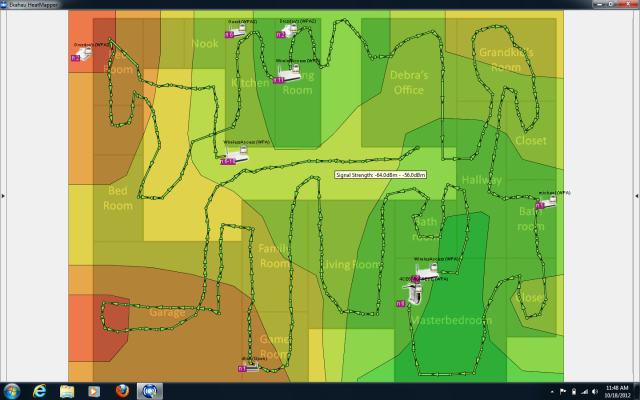
 Look at this picture! You can see the possibilities of how many devices can actually reside and be dependent on your WiFi to communicate and be controlled by the different Internet of things that were once just dummy devices. Not to mention, this is only one room!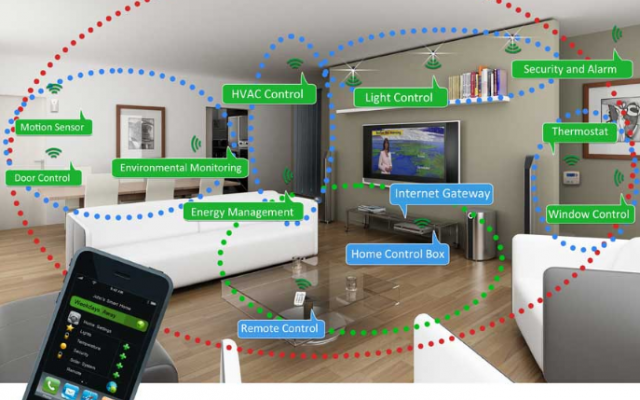
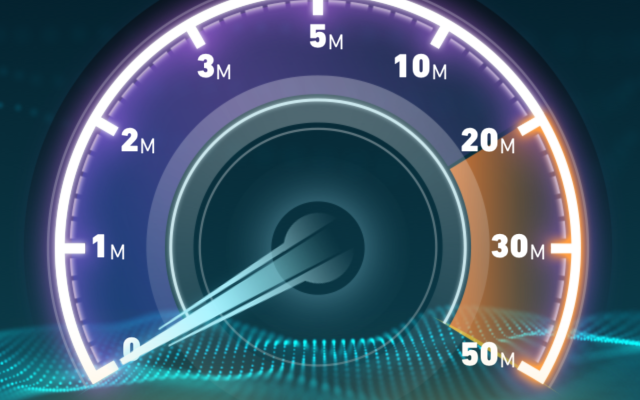
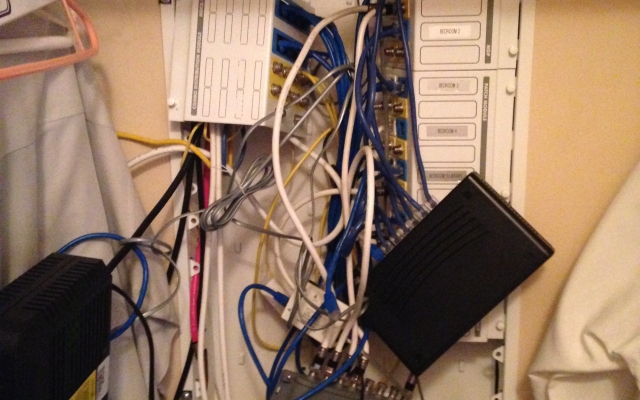
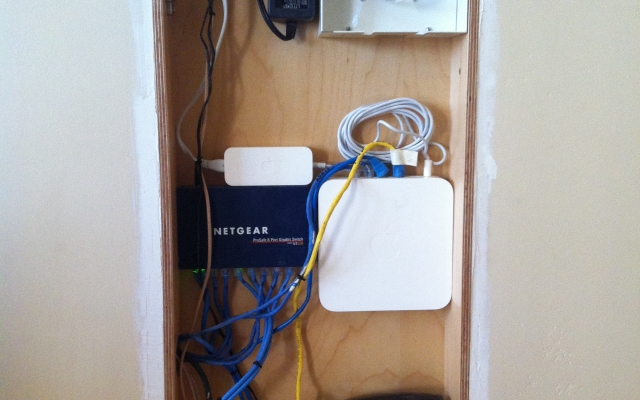


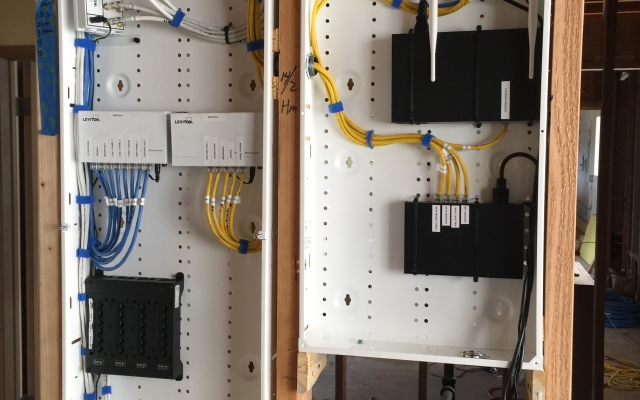
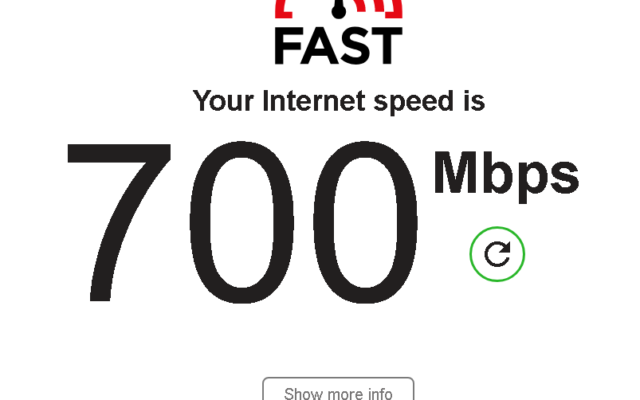
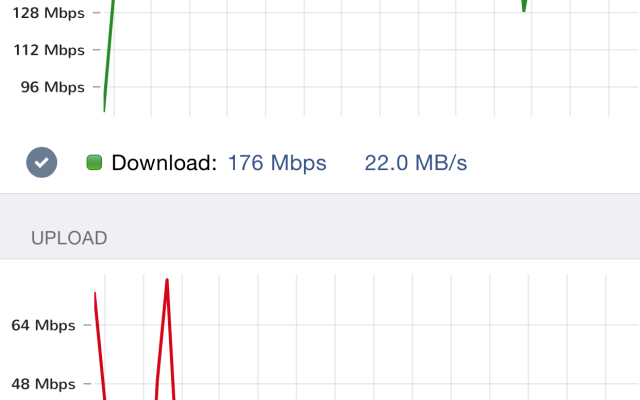

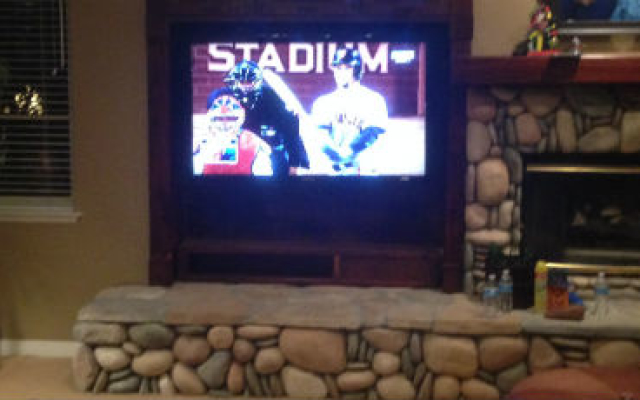

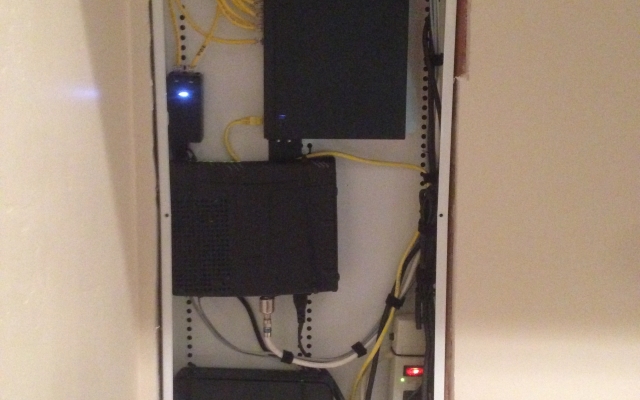
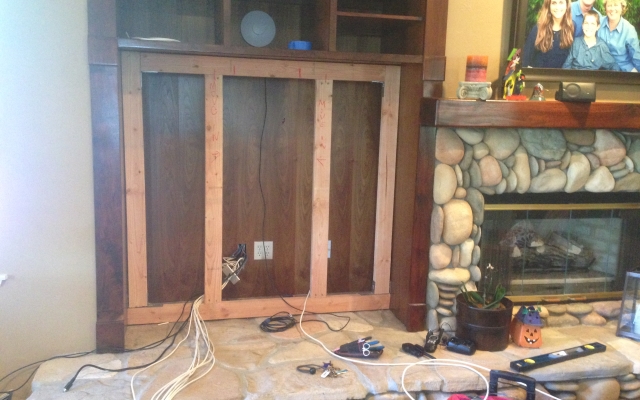
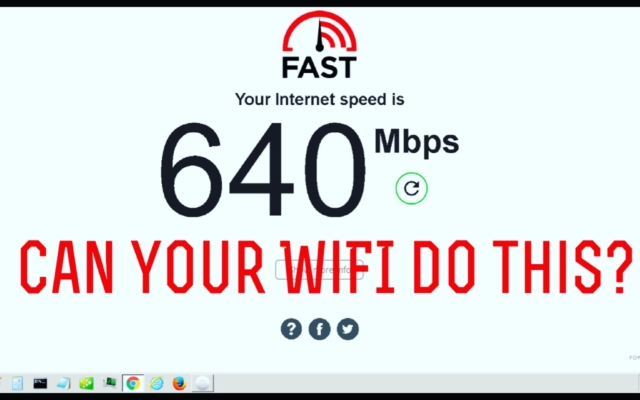
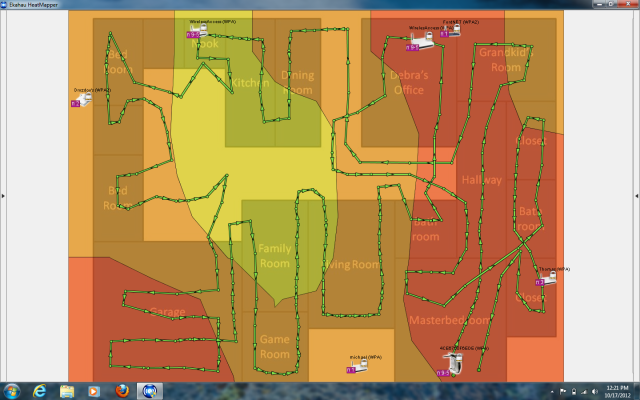
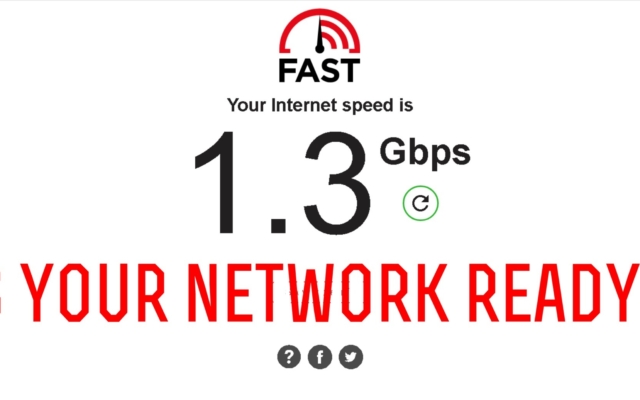
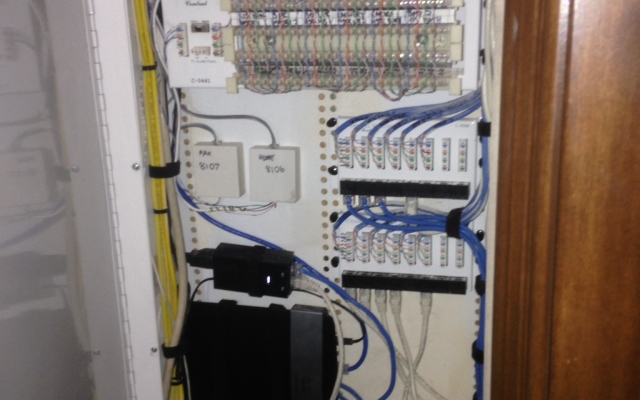
 This includes their home network installation along with the peace of mind that their Ethernet cabling is done correctly the first time. If you take a look at the snapshot, you see a download speed of over 300 and upload speed of 23. Does your current WiFi give you this?
 Now that Race communication has installed their fiber optic lines in Rancho Santa Fe, gigabit speed is a reality. Some areas in the Time Warner now Spectrum area, and Cox are providing a new wifi service of 1.3 Gigabits not Megabits per second in your area.


 Good question. Up until a few years ago, the only content was enabled using the Sony 4k media streamer. But now there is a new kids on the block that will give you whatever 4k is available without a hiccup.


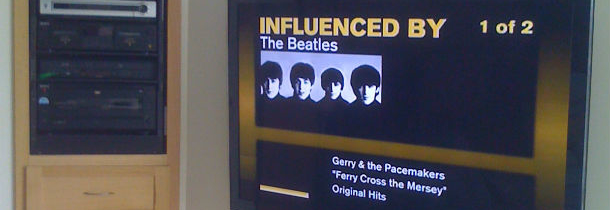
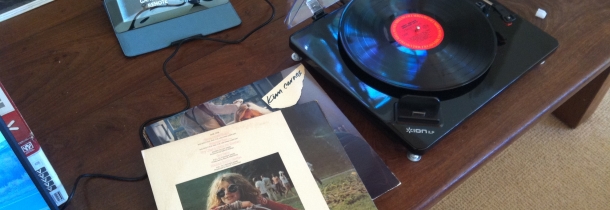




























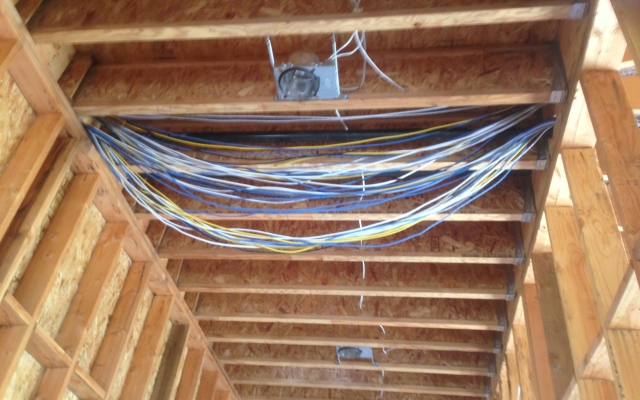
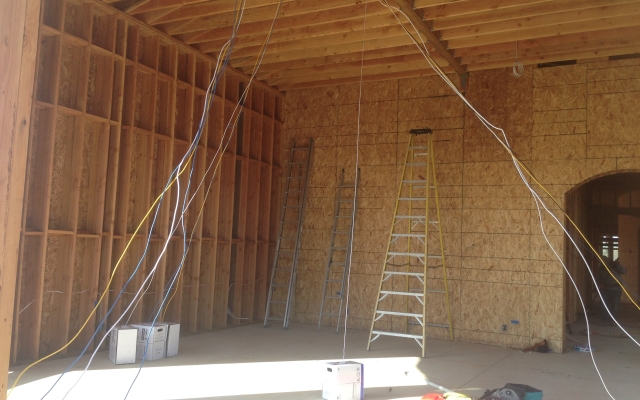
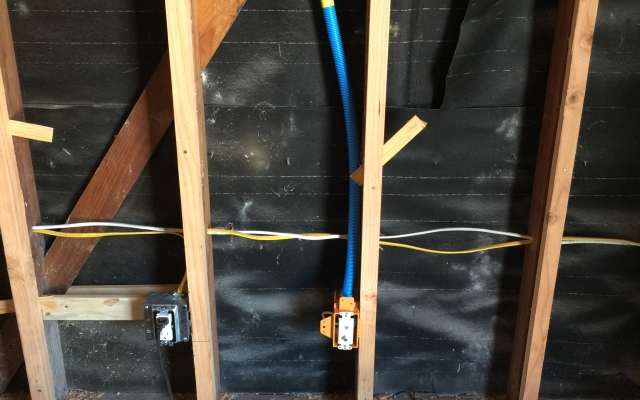
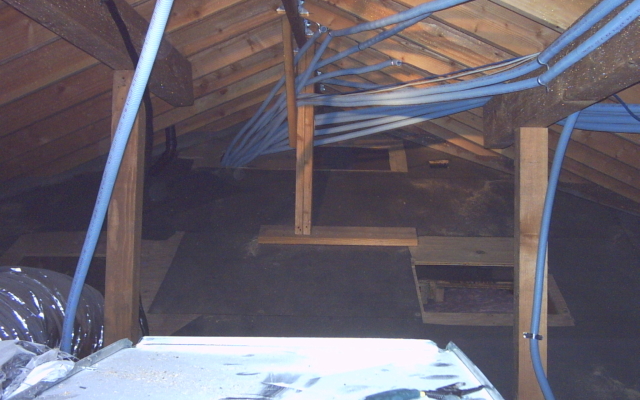
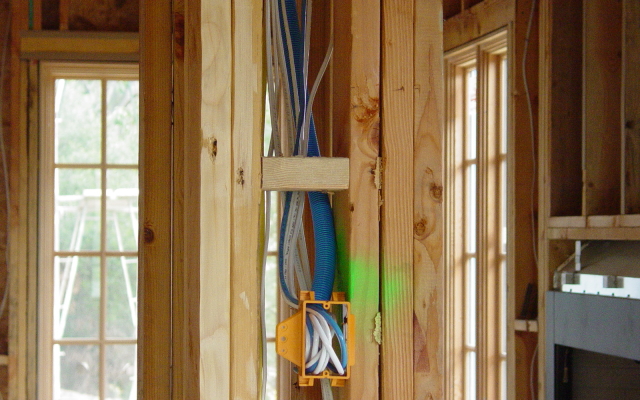
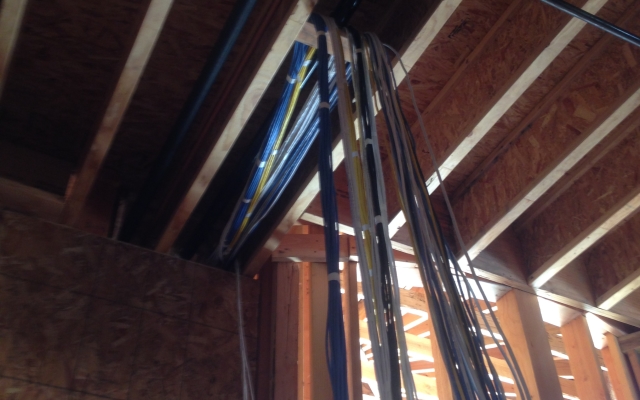
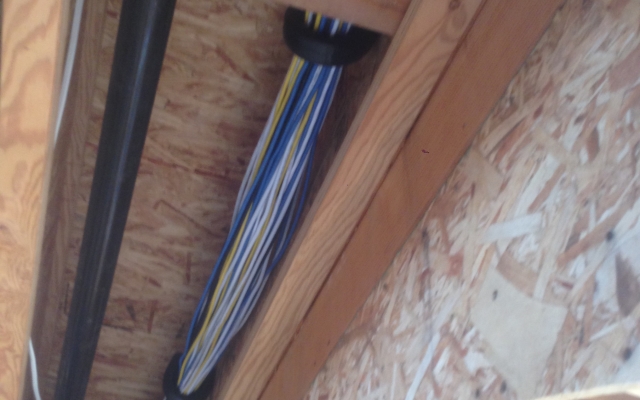
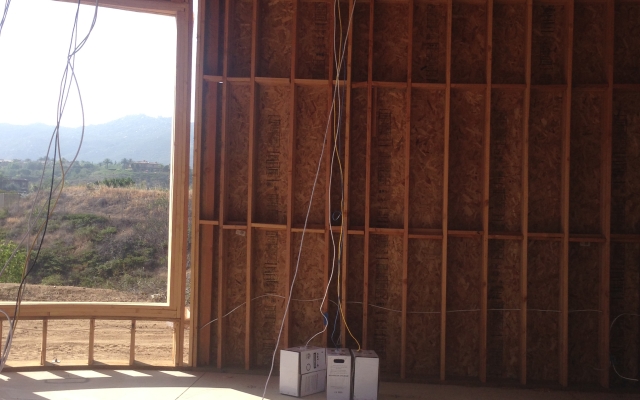
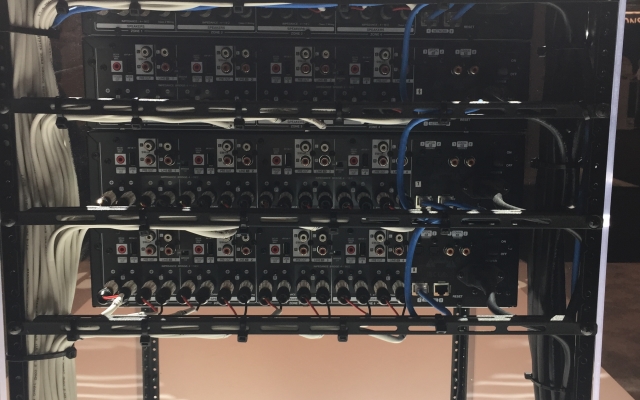
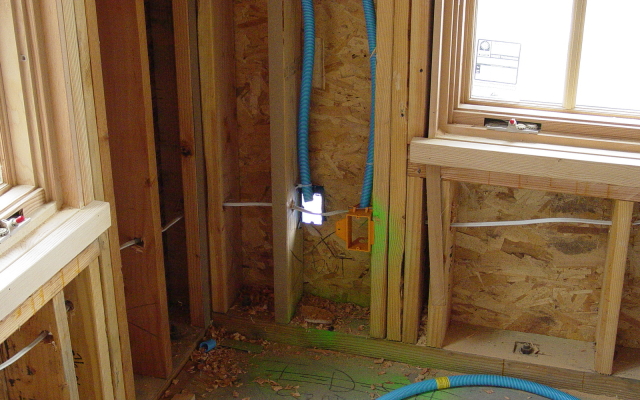
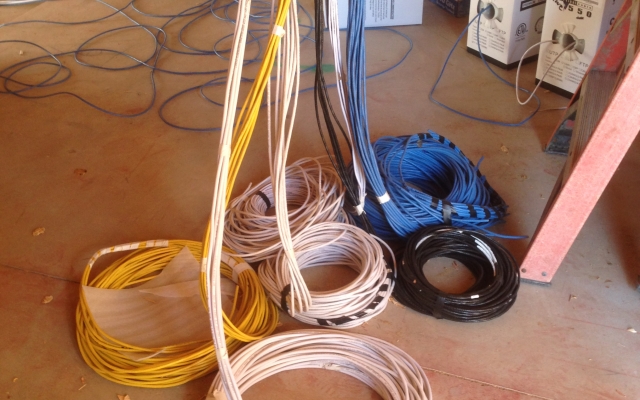
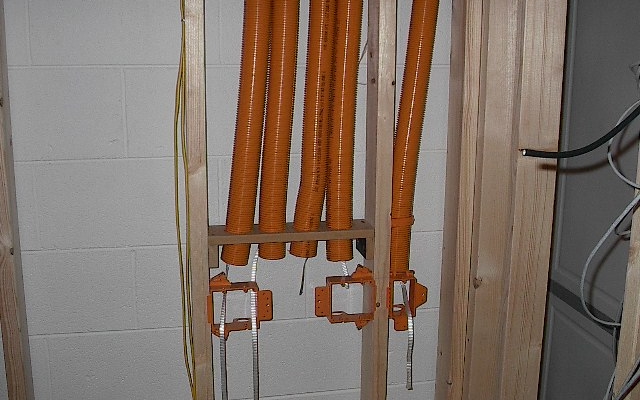
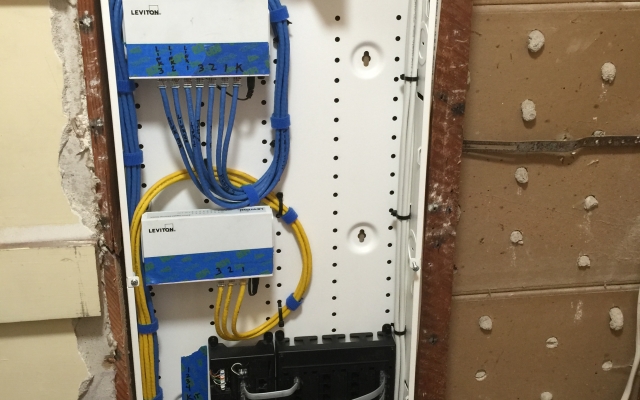
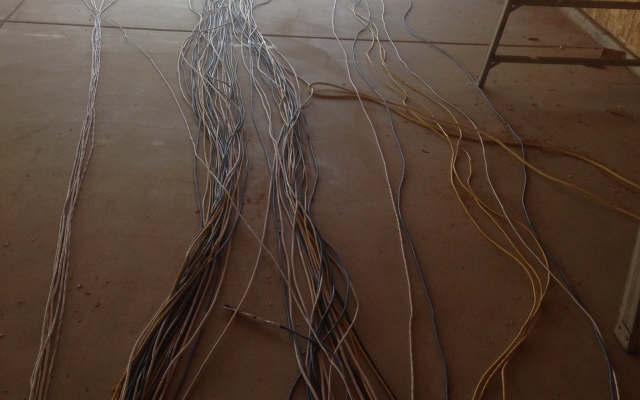
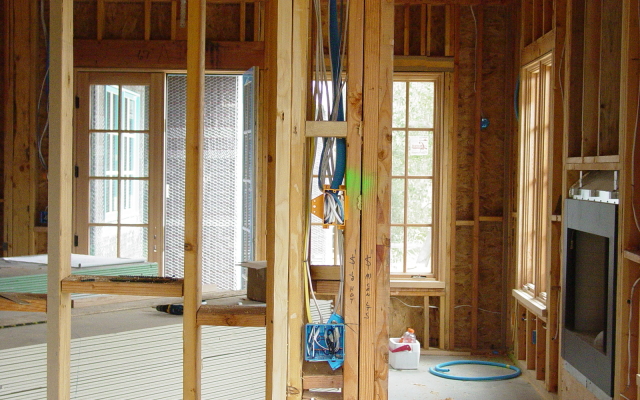
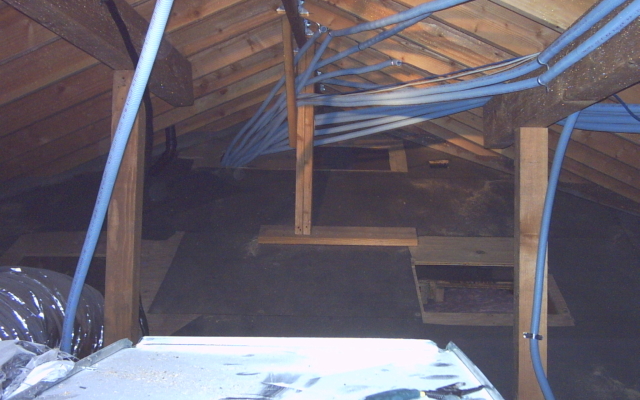
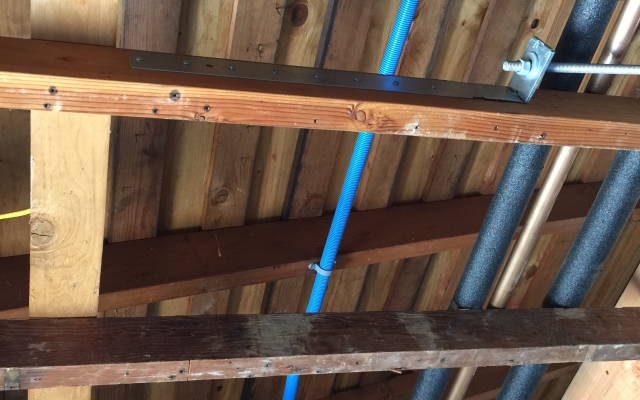
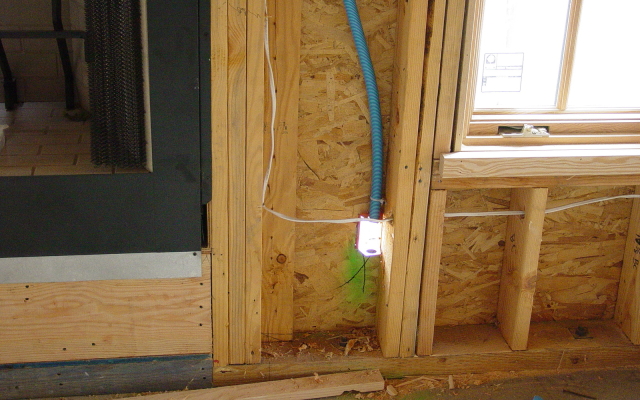
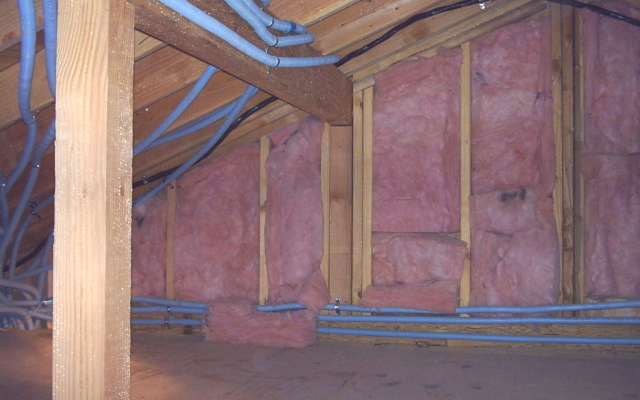
 Over the past 17 years we have been able to seamlessly upgrade our clients house sound system without having to tear up any drywall by the use of our pre-wire conduit system. Since you are here for the first time, looking for answers on how to…… (fill in the blank) we can assist you with this as well.
 But most importantly, simplicity in using. Lets face it, you can spend all the money in the world, but if you can’t control it, and need instructions we have failed as a company. Why not take a chance and give us a call for a complimentary consultation at

